Alternatives To B12 Injections vitamin b12 injection alternatives Vitamin B12 Injections (Cyanocobalamin Injections) — Tagged "Vitamin B12 for Injection" — Mountainside Medical
Introduction: If B12 shots aren’t working for you, you’re not alone
If you’ve been told to take vitamin B12 injections (often cyanocobalamin) but you’re dealing with needle anxiety, inconvenient appointments, cost concerns, or side effects, you’re probably searching for practical alternatives to b12 injections that still support healthy red blood cell production and nerve function. In my hands-on clinical-adjacent work supporting patients with adherence barriers, I’ve seen how quickly “the right medication” can fail when the delivery method doesn’t fit real life.
This guide breaks down evidence-informed vitamin B12 injection alternatives, how to choose among them, what to watch for, and when injections still make sense—so you can move from frustration to a plan you can actually follow.
What makes “B12 injection therapy” work in the first place?
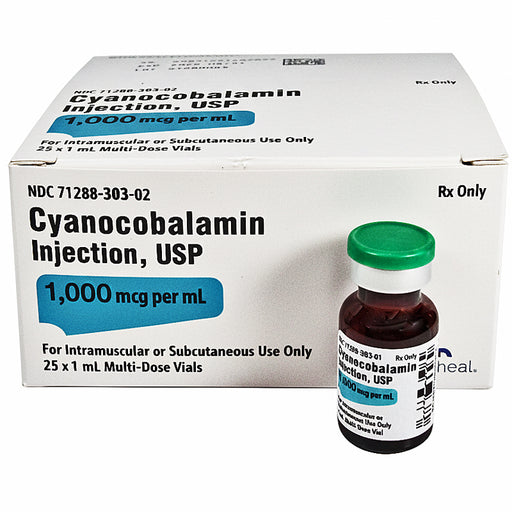
Most people start vitamin B12 injections because they need a reliable way to raise B12 levels—especially when absorption from the gut is impaired. The common injectable form is cyanocobalamin, and it’s often given in a vitamin B12 for injection dosing schedule.
In real-world terms, injections help when:
- Malabsorption is the issue (e.g., pernicious anemia, certain GI conditions, or after some bariatric procedures).
- Adherence is the bottleneck and you need a method that isn’t dependent on daily consistency.
- Levels are significantly low and clinicians want a more predictable rise.
But if your deficiency is mild, your gut absorbs reasonably well, or injections are simply not sustainable, injection alternatives can be effective—when they’re selected for the right cause and monitored appropriately.
Top alternatives to B12 injections (and when they’re a good fit)
Below are the main options I see discussed in care pathways. The best choice depends on why you’re low and how urgent your symptoms are.
1) High-dose oral vitamin B12 (tablets or capsules)
High-dose oral cyanocobalamin or other B12 forms can work even in some people with absorption issues because a small percentage of B12 can still absorb via passive diffusion. In practice, the “win” here is convenience and cost, provided dosing is high enough and taken consistently.
- Best for: Mild-to-moderate deficiency, dietary insufficiency, or people who can reliably take daily meds.
- Why it works: Passive absorption means oral B12 can still raise blood levels for many patients.
- Common limitation: If deficiency is due to profound malabsorption (or levels are very low with neurologic symptoms), oral may take longer to correct.
2) Sublingual or “under-the-tongue” B12
Sublingual products are often marketed as an “in-between” option: you absorb directly through oral tissues rather than relying solely on stomach and intestinal absorption.
- Best for: People who struggle swallowing pills or prefer a non-injection routine.
- Why it works: Some absorption occurs through the mouth, and many formulations still provide the passive diffusion benefit if swallowed.
- Common limitation: Product quality and actual dosing matter; not all sublingual offerings are equal.
3) B12 nasal sprays (where available)
Nasal administration is another needle-free route. It can be appealing for adherence and comfort.
- Best for: People who want non-oral options or have pill intolerance.
- Why it works: Delivers B12 via mucosal absorption.
- Common limitation: Real-world absorption can vary; follow up labs are important.
4) Intramuscular alternatives: different injection schedules or formulations
Sometimes the “alternative” isn’t a different route—it’s a different dosing cadence or formulation strategy. For example, clinicians may adjust interval frequency (more spread out once levels stabilize) or switch to a different injectable B12 form depending on availability and clinical goals.
- Best for: People who need injections but want fewer appointments.
- Why it works: You keep the reliable delivery while improving convenience.
- Common limitation: Still requires needles and clinic/home administration logistics.
5) Treat the cause: addressing deficiency drivers alongside B12
In my hands-on experience, the most durable improvement often comes when B12 repletion is paired with fixing the “why.” If your low B12 is due to diet, medication effects, or malabsorption, adding B12 alone may help—but correcting the root cause prevents relapse.
- Dietary insufficiency: Improve intake with B12-rich foods or consistent supplementation.
- Medication-related issues: Ask your clinician if any meds may interfere with absorption.
- Malabsorption conditions: Work with your clinician on a long-term maintenance plan (often still requiring injections in some cases).
How to choose the right alternative (a practical decision checklist)
When patients ask me for “alternatives to b12 injections,” I guide the decision around four factors: cause, urgency, adherence, and monitoring.
| Decision factor | What you’re trying to answer | Common implication |
|---|---|---|
| Cause of low B12 | Is this dietary, absorption-related, or medication-related? | Malabsorption often needs stronger or more reliable replacement |
| Urgency & symptoms | Are there neurologic symptoms (numbness, tingling) or severe anemia? | Clinicians may prefer injections initially for predictability |
| Adherence fit | Can you take daily meds consistently for months? | If not, injections or different schedules may be better |
| Monitoring plan | Will you recheck B12 (and often related labs) at a set interval? | It’s the fastest way to confirm the alternative is working |
A simple “in the real world” example
One pattern I’ve seen: people who switch from injections to oral or sublingual B12 without a follow-up lab plan assume they’re “fixed” and drift off. In practice, the alternative works best when it’s paired with a timeline—recheck after a clinician-recommended interval, then adjust dose or route based on response.
What labs to expect and what “working” looks like
The definition of success is not just “feeling better.” Clinically, we want blood markers to normalize and symptoms to improve over time (neurologic recovery can be slower than blood recovery).
Common monitoring approaches include:
- Serum vitamin B12 to track the level
- Complete blood count (CBC) to monitor anemia/indices
- Sometimes additional markers (like methylmalonic acid or homocysteine) when the picture isn’t clear
If the alternative isn’t effective—despite consistent use—your clinician may increase the dose, switch formulation, or return to injections, especially when malabsorption is suspected.
Pros and cons: quick comparison of injection alternatives
| Option | Main advantage | Main drawback | Typical best-fit scenario |
|---|---|---|---|
| High-dose oral B12 | Convenient, needle-free | Depends on adherence; may be slower in severe cases | Dietary insufficiency or mild malabsorption |
| Sublingual B12 | Easy to take; avoids swallowing | Varies by product quality; still benefits from follow-up labs | People who prefer sublingual routines |
| Nasal B12 | Needle-free, non-oral option | Absorption can vary; product availability differs | Oral intolerance or preference |
| Adjusted injection schedule | Predictable replacement with fewer visits (sometimes) | Still requires needles | People who need injections but want less frequent dosing |
FAQ
Are oral “alternatives to b12 injections” really enough if I have pernicious anemia?
Sometimes oral can work, but pernicious anemia often involves significant absorption impairment. In real practice, clinicians usually choose a strategy based on severity, symptom burden, and lab response. If you switch to oral, you’ll want a clear monitoring plan and a willingness to adjust if B12 or symptoms don’t improve.
How long does it take for B12 levels to improve with non-injection options?
Blood markers often improve over weeks, but the timeline depends on the starting level, the cause, and the dose. I recommend thinking in terms of “weeks to assess response,” not “days,” and using follow-up labs to confirm.
Can I switch from cyanocobalamin injections to another B12 form?
Yes, but it should be coordinated with your clinician. Different forms and delivery routes can affect how quickly you respond and how well you maintain levels long-term—especially if malabsorption is the underlying issue.
Conclusion: Your next step
Needle fatigue is real, but you don’t have to abandon treatment goals to avoid injections. The most reliable vitamin B12 injection alternatives are the ones matched to your deficiency cause, your ability to take medication consistently, and a follow-up monitoring plan. In my experience, the difference between “it worked” and “it didn’t” is usually not the idea of supplementation—it’s the implementation and verification.
Practical next step: Talk to your clinician about your deficiency cause and request a specific plan to transition (or not) to oral, sublingual, or nasal B12, including when to recheck labs so you can confirm the alternative is working.
Discussion